Exploring Cultural Heritage
Lorem ipsum dolor sit amet consectetur. Justo aliquam varius dui risus mauris purus augue id.
Lorem ipsum dolor sit amet consectetur. Justo aliquam varius dui risus mauris purus augue id.
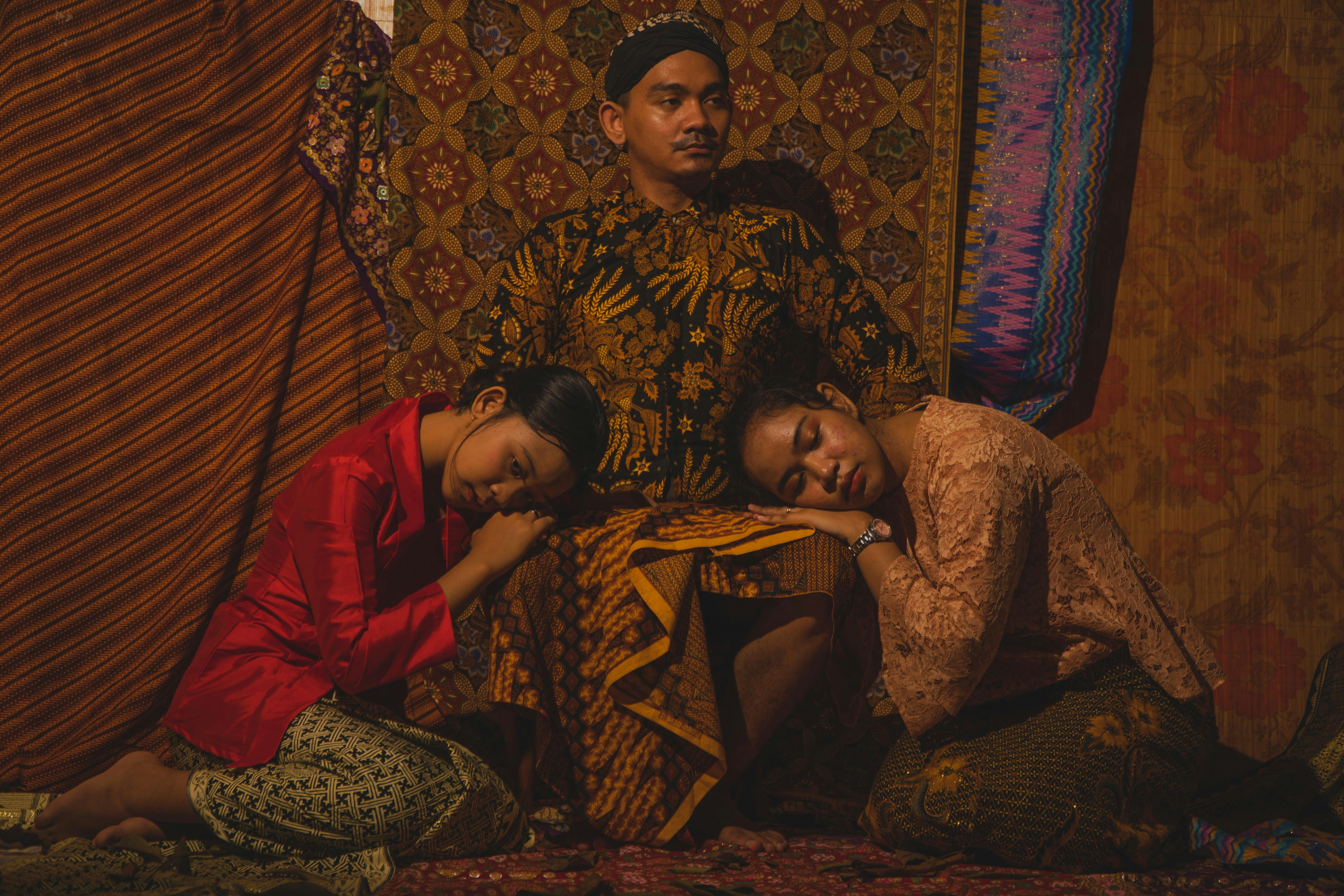
The kebaya is a cultural heritage of Indonesia due to its long history and hereditary use as a symbol of identity, modesty, and elegance of Indonesian women. The kebaya is also unique in its graceful design, delicate embroidery details, and diverse shapes and motifs that differ from region to region, such as the Javanese, Balinese, and Sundanese kebaya. Besides reflecting the artistic and philosophical values of Indonesian culture, the kebaya continues to be worn in traditional and formal occasions to this day, making it a unique, highly valued cultural heritage that deserves to be preserved.

Jamu is a traditional Indonesian drink made from various natural ingredients such as turmeric, ginger, galangal, Javanese ginger, tamarind, and other spices. Jamu has been used for generations since ancient times as a traditional medicine to maintain health, boost immunity, and help relieve various ailments such as colds, aches, and digestive disorders. In addition to its health benefits, jamu also reflects local wisdom and Indonesian culture, as its preparation relies on traditional knowledge passed down from generation to generation. Now, jamu has been recognized by UNESCO as a World Intangible Cultural Heritage.
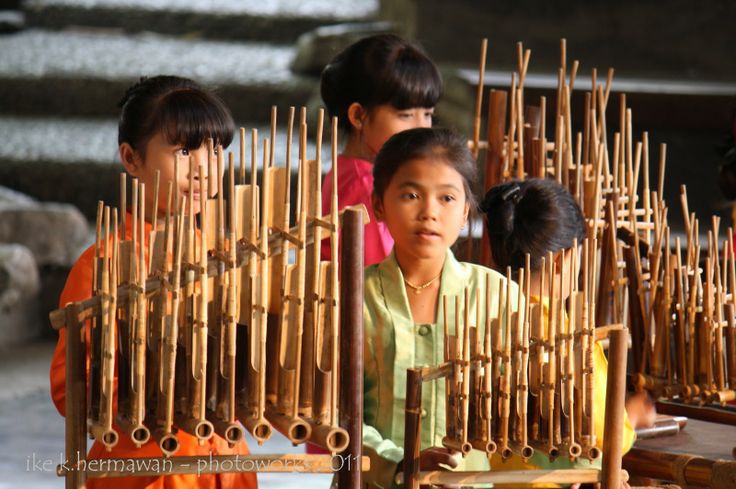
Angklung is a traditional Indonesian musical instrument made from bamboo and played by shaking it to produce a distinctive sound. Originating from West Java, each angklung has only one note, so it must be played together to create a melody or song. Besides its function as a musical instrument, angklung also has the meaning of togetherness, solidarity, and cooperation, because each player has a vital role in creating harmony. This musical instrument has been recognized by UNESCO as an Intangible Cultural Heritage of Indonesia.
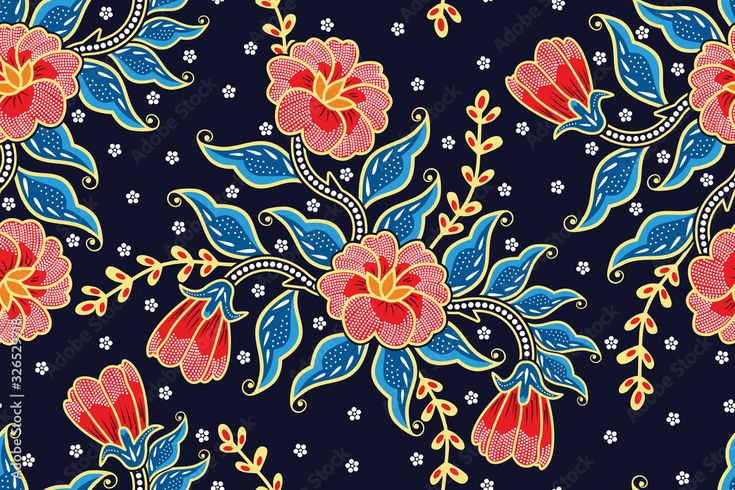
The origins of batik stem from the Indonesian people's need to express cultural values, beliefs, and life philosophies through textile art. Batik has been used since ancient times in everyday life and traditional ceremonies, with each motif carrying a specific meaning reflecting social status, hopes, and regional identity. Over time, batik has become more than just traditional clothing, but also a symbol of Indonesian national pride and has been recognized by UNESCO as an Intangible Cultural Heritage of Humanity.

The Komodo dragon's background is related to the existence of the Komodo dragon (Varanus komodoensis), an ancient animal endemic to Indonesia, found only on several islands in East Nusa Tenggara, such as Komodo Island, Rinca Island, and Flores. Komodo dragons are a symbol of Indonesia's rich biodiversity and a global natural tourist attraction. To protect its sustainability from extinction, the government designated its habitat as Komodo National Park, which is also recognized by UNESCO as a World Heritage Site, thus making Komodo dragons play a vital role in nature conservation and Indonesia's identity in the eyes of the world.