Ijen Crater
Ijen Crater is one of the mountains tht has beautiful blue fire inIndonesia
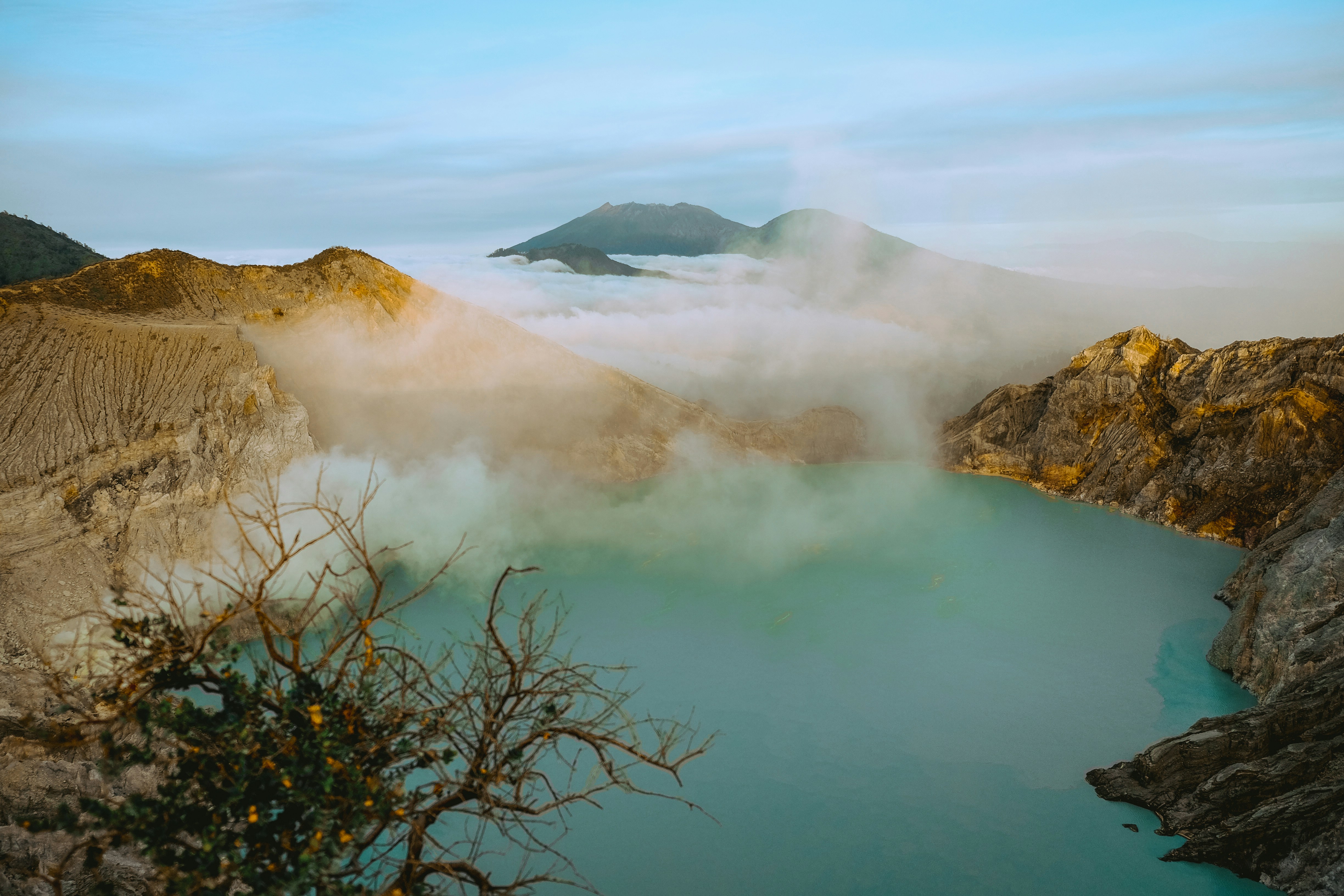
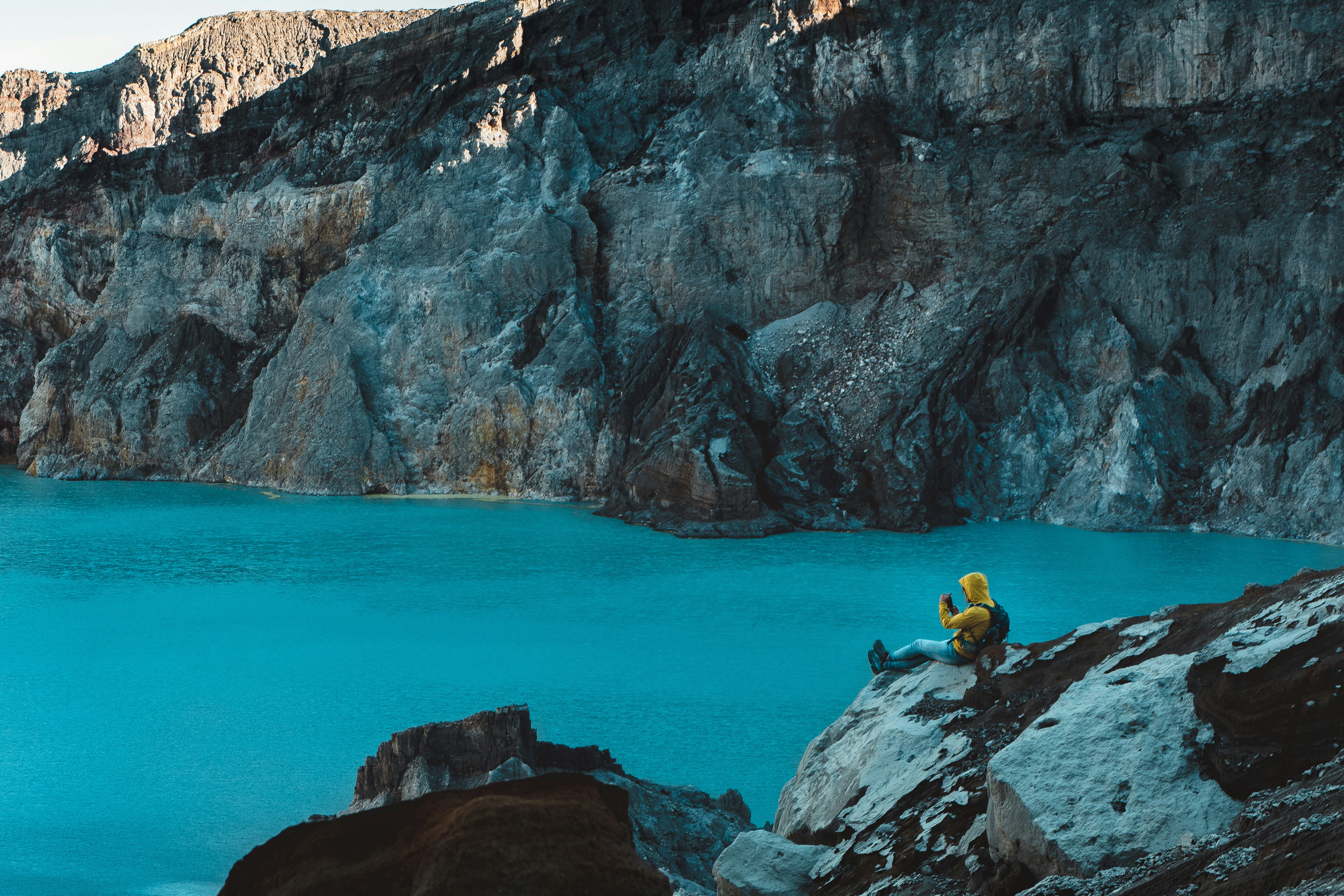
Ijen Crater is one of the mountains tht has beautiful blue fire inIndonesia
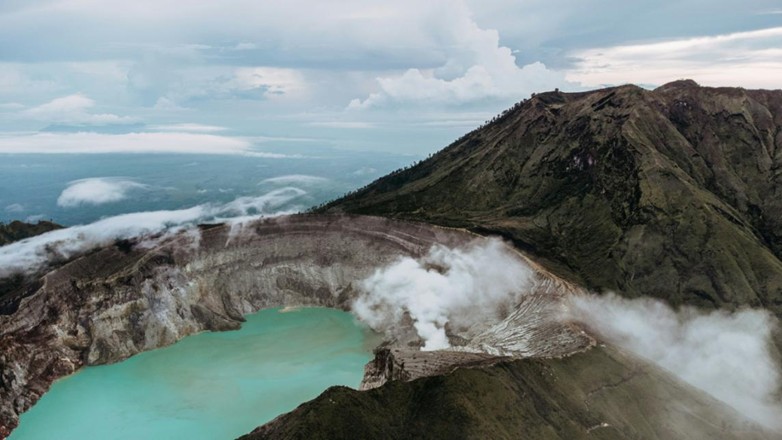
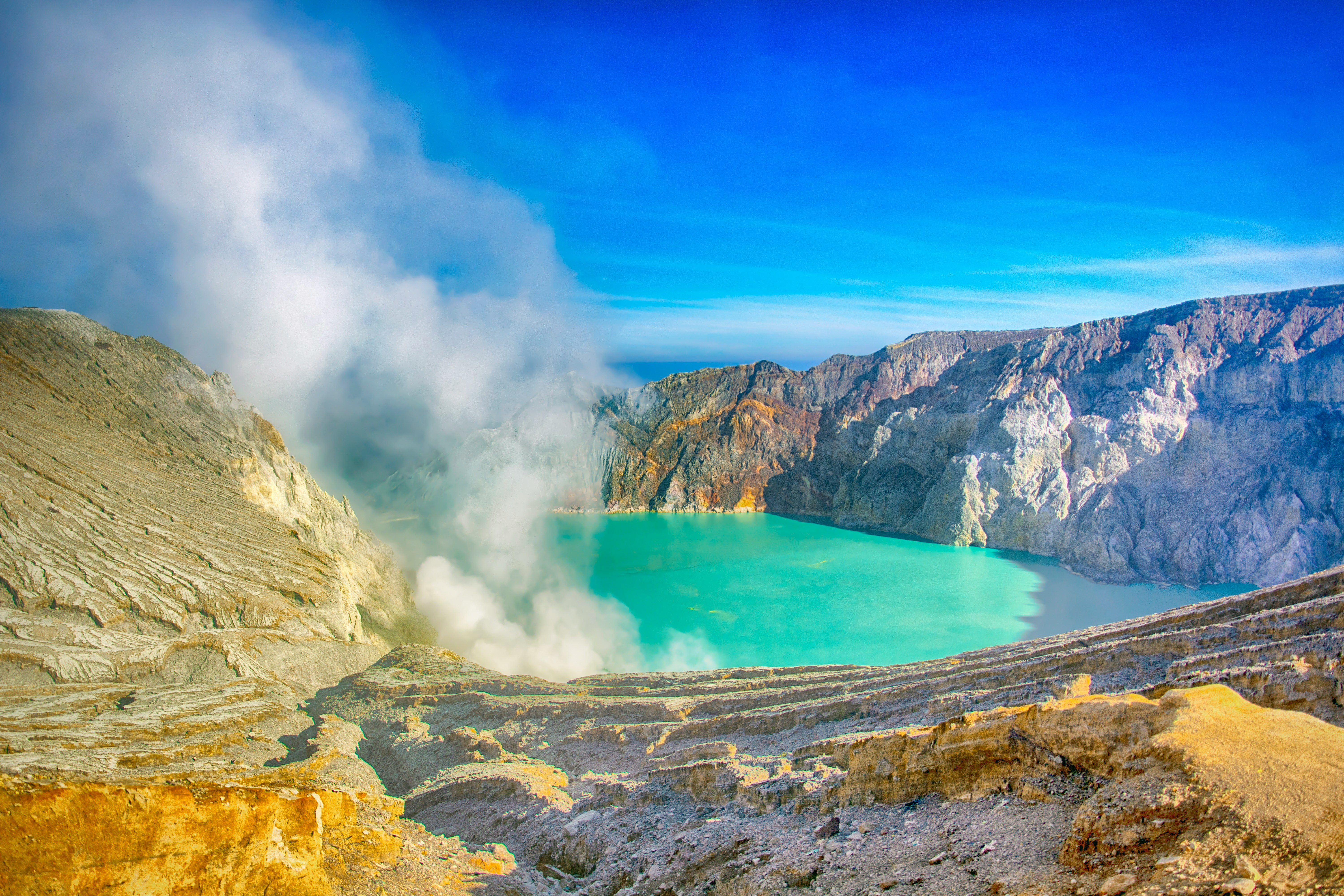
Mount Ijen was formed by volcanic activity dating back to prehistoric times, with massive eruptions forming a vast caldera approximately 20 kilometers in diameter. The Ijen Crater itself was formed by continued volcanic activity within the caldera. Thousands of years of eruptions and magmatic activity created a large crater that later filled with rainwater and volcanic gases, forming a highly acidic crater lake. Geological records indicate that the Ijen Crater has long been a center of volcanic activity, although major eruptions have been rare in recent centuries.
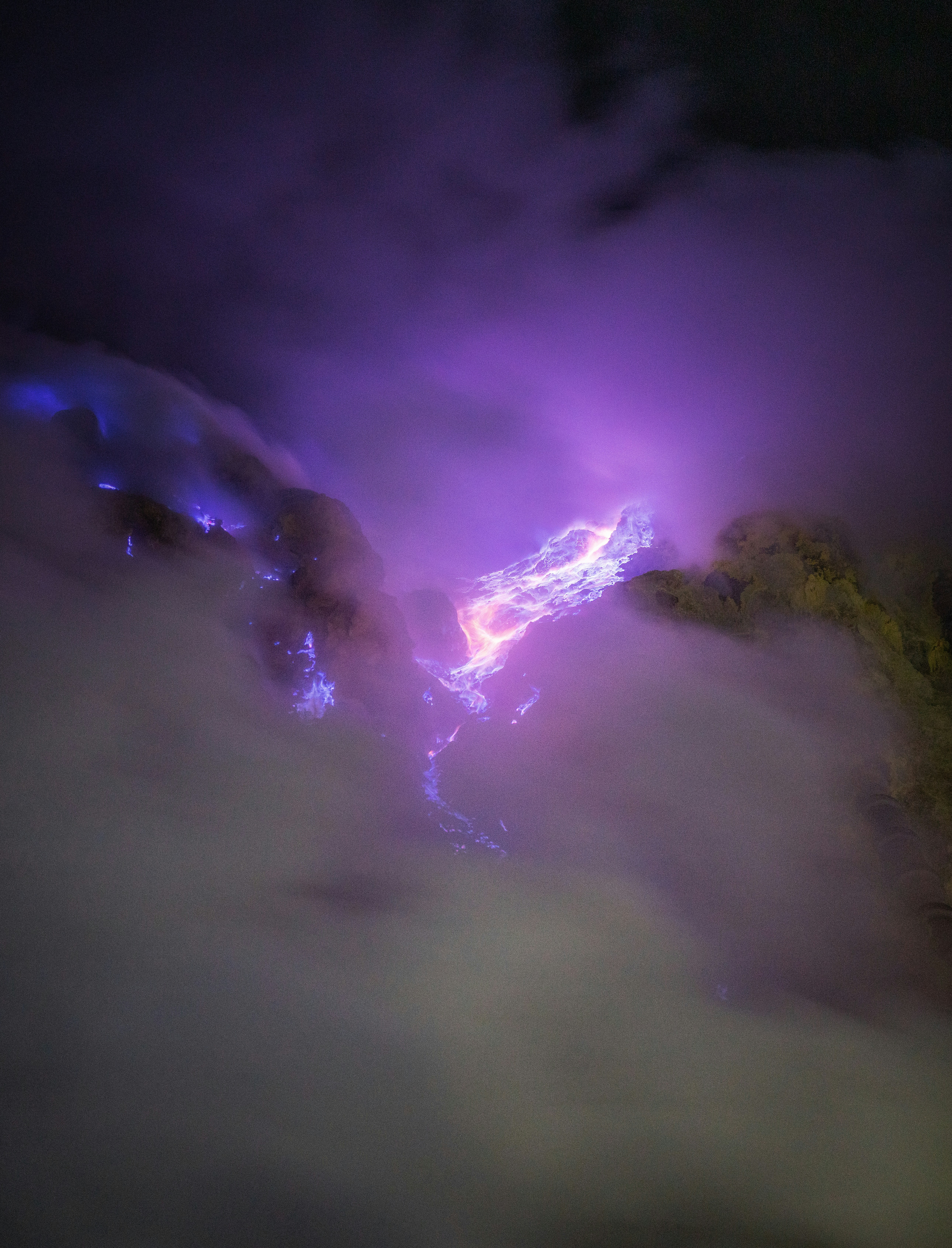
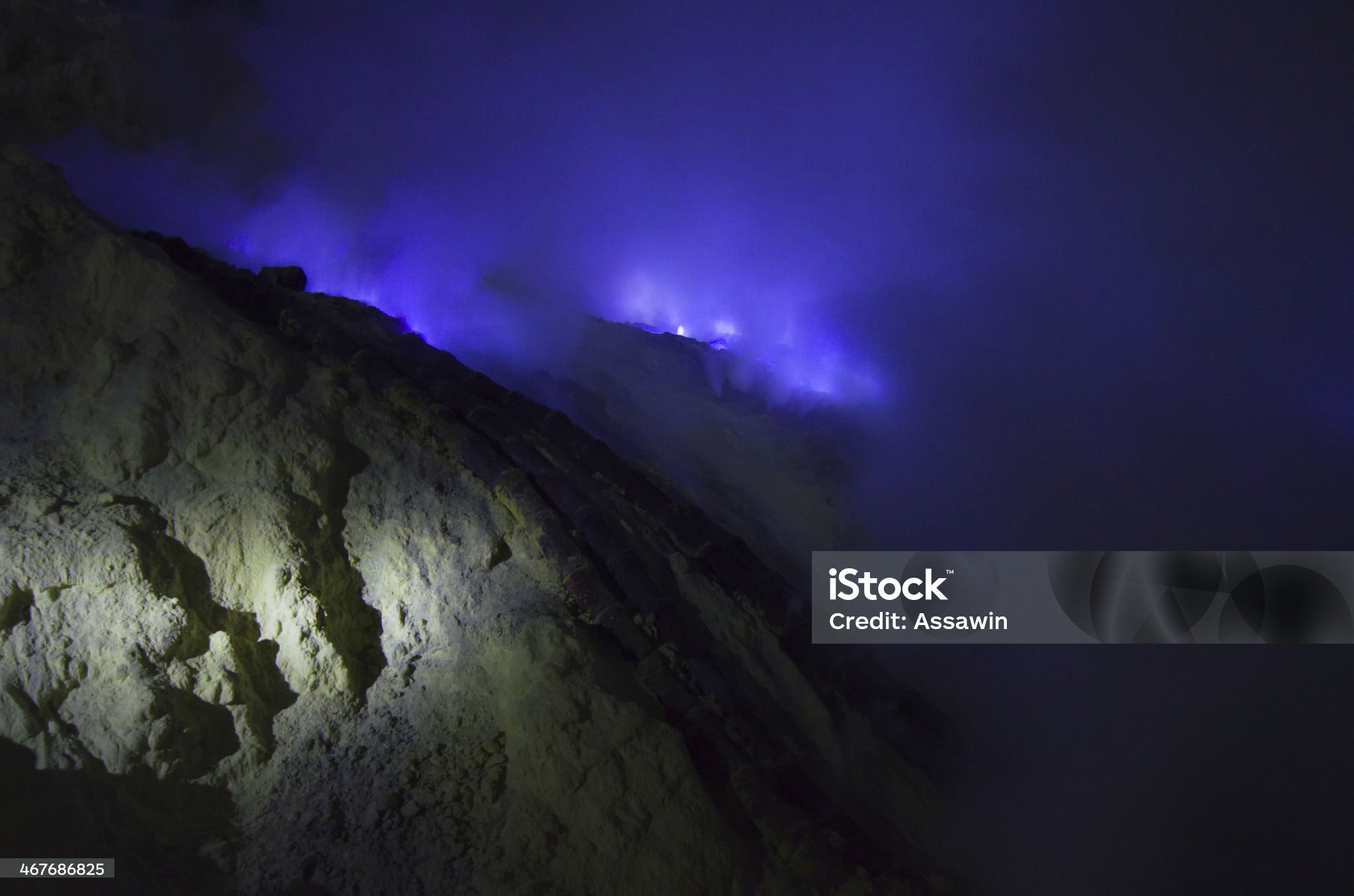
The blue fire phenomenon at Ijen Crater is a rare natural wonder and a major tourist attraction. Ijen Crater is an active volcano that continuously emits volcanic gas from cracks in the rocks at the bottom of the crater. This gas contains high amounts of sulfur and is extremely hot, allowing it to react with oxygen in the air. When the sulfur gas rises to the surface, at temperatures that can reach hundreds of degrees Celsius, it naturally combusts, producing a blue flame. This blue color results from a chemical reaction resulting from the burning sulfur, not from lava, as is often misunderstood. Under certain conditions, molten sulfur can flow across the rock surface while burning, creating a spectacular display of blue flames.