Raja Ampat
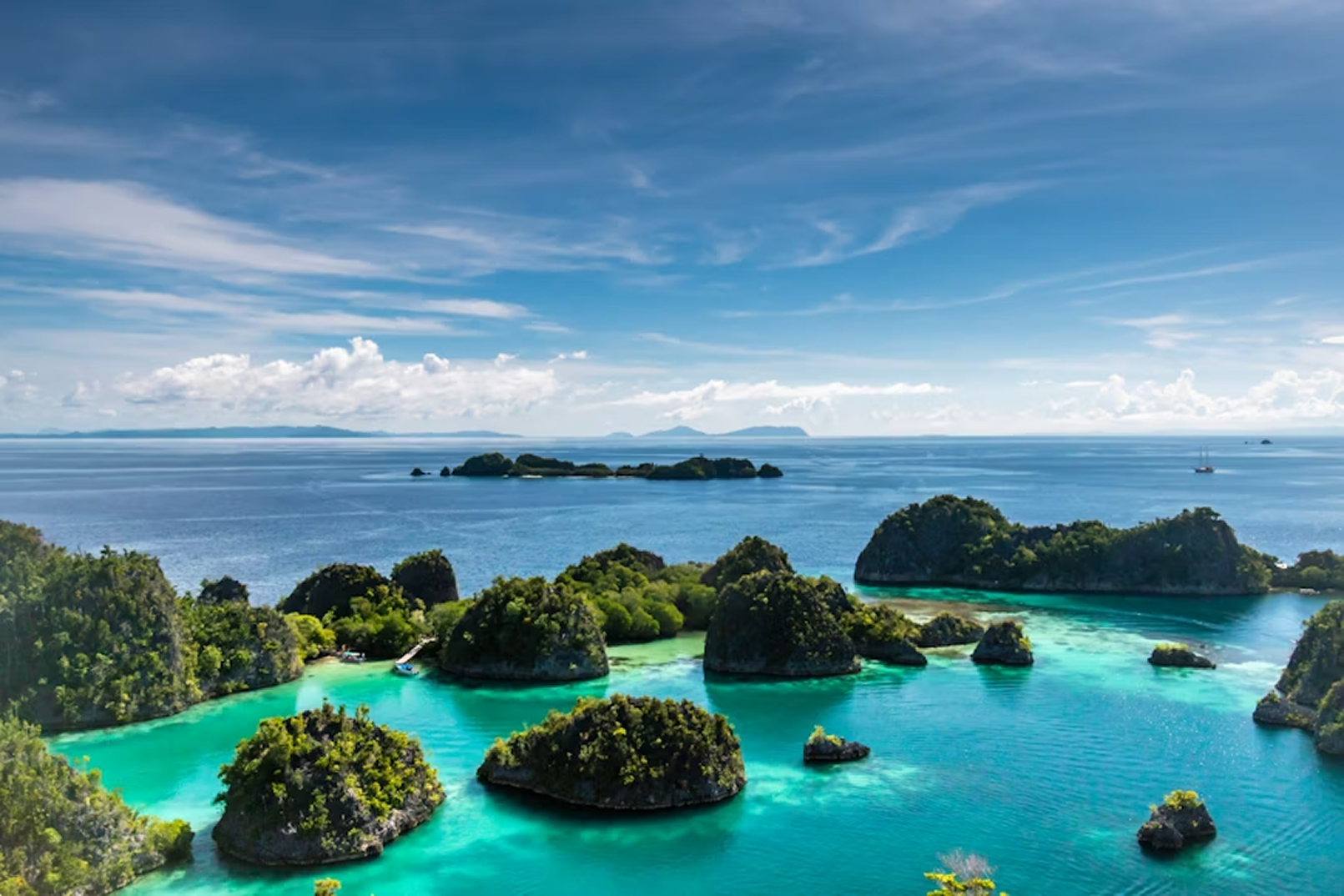
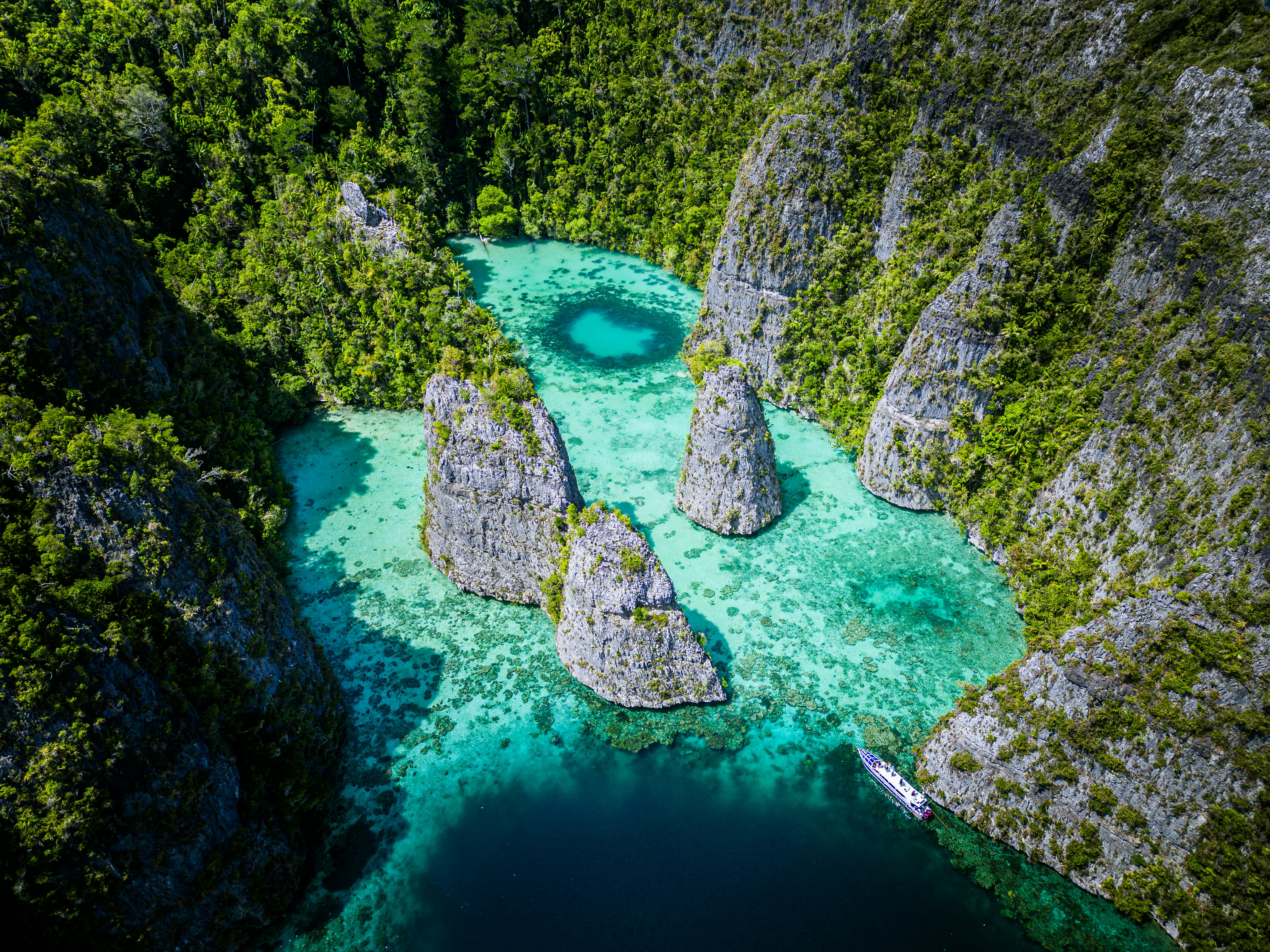
Raja Amppat is a stunning archipelago in eastern Indonesia, famous for its crystal clearnwaters and rich marine bidiversity
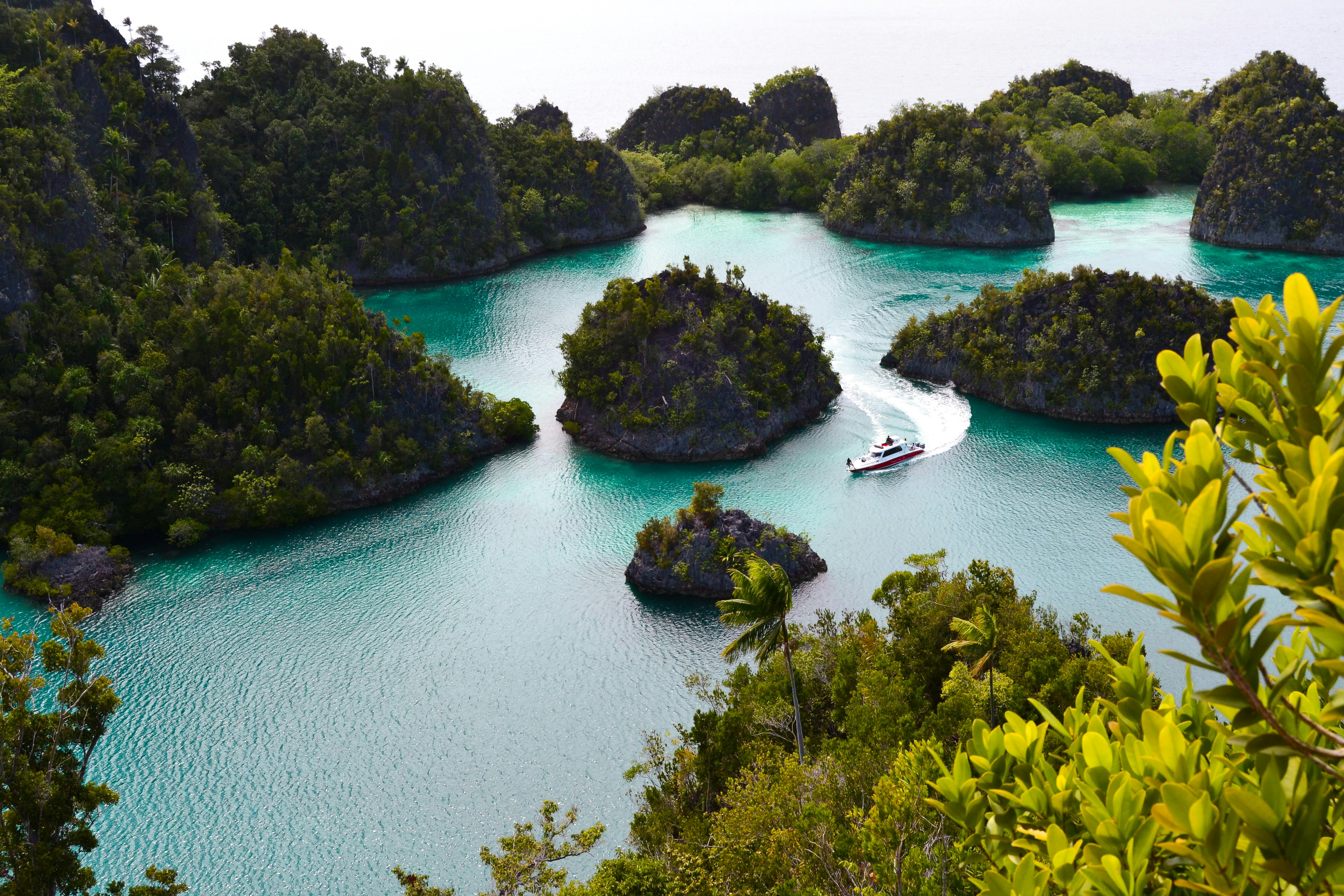
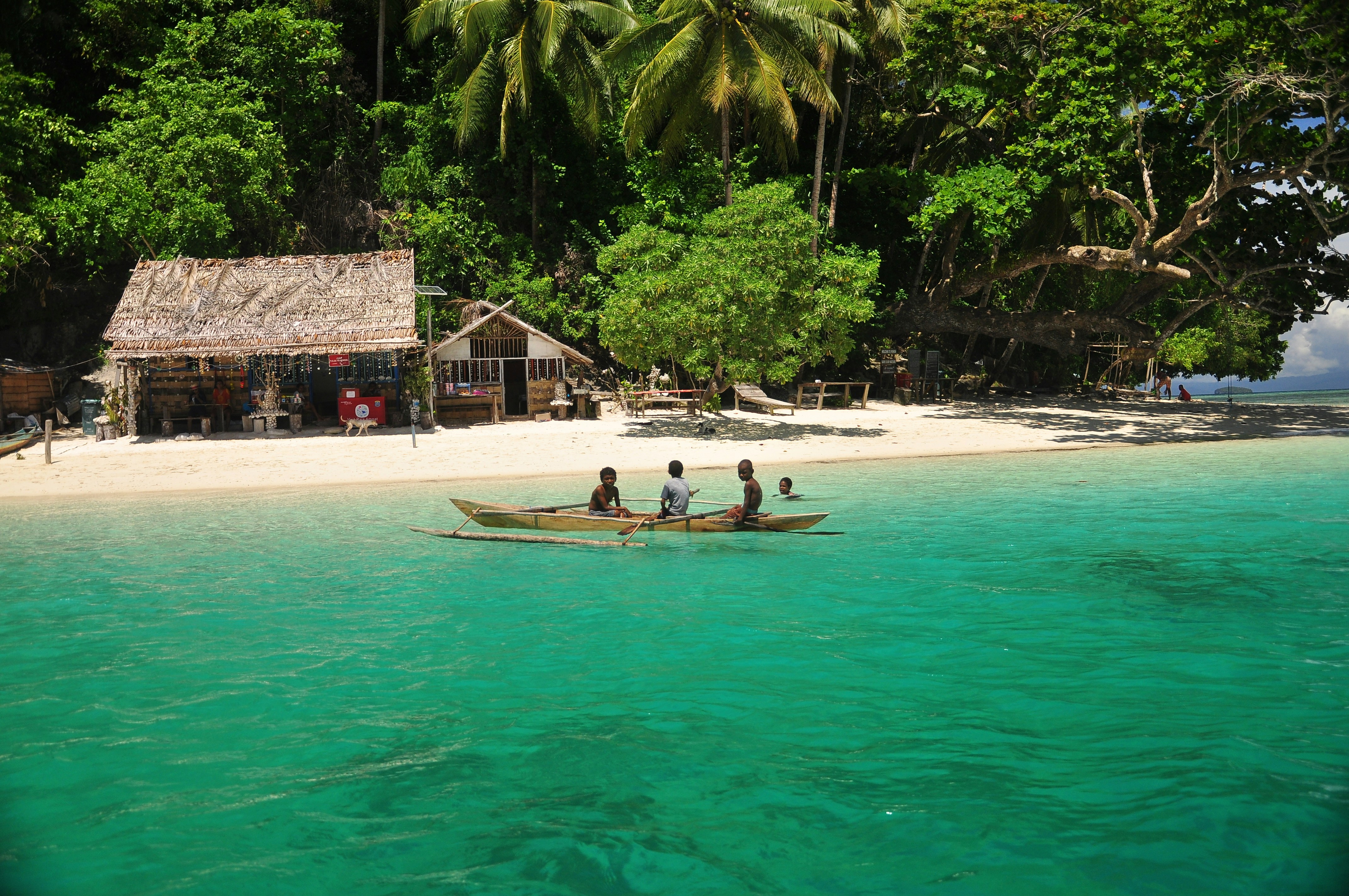
Raja Amppat is a stunning archipelago in eastern Indonesia, famous for its crystal clearnwaters and rich marine bidiversity
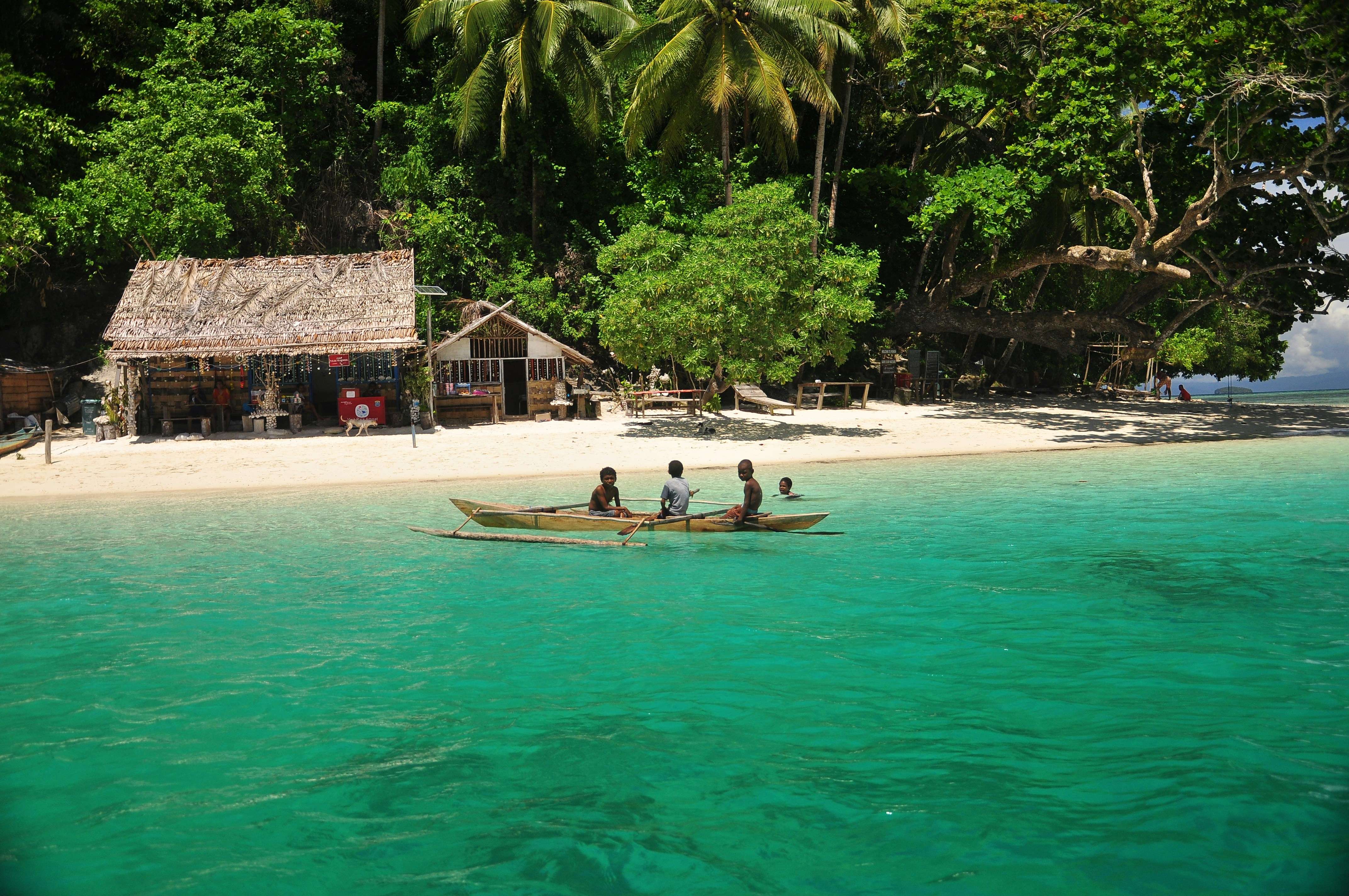
Raja Ampat has a long history closely linked to local legends, spice trade routes, and royal power in the eastern Indonesian archipelago. The name Raja Ampat comes from a folk tale that recounts the discovery of seven eggs, four of which hatched into kings who then ruled over four large islands: Waigeo, Salawati, Misool, and Batanta. These four kings are believed to be the origins of the traditional government system in Raja Ampat. Since before the arrival of Europeans, this region has been inhabited by indigenous Papuans who have lived for generations, relying on the sea and forests, and possessing a strong social and legal system governing their lives and use of nature.
Raja Ampat's uniqueness lies in its exceptionally high marine biodiversity and pristine natural beauty. The waters of Raja Ampat are known as the center of the world's coral triangle, home to thousands of species of fish, coral, and other marine life. The cluster of karst islands towering above the blue sea, white sandy beaches, and crystal clear waters are the region's main attractions. Beyond its underwater beauty, Raja Ampat also boasts a rich local culture reflected in the traditions of its indigenous people, arts, and local wisdom in preserving the environment. This uniqueness makes Raja Ampat a world-class natural and marine tourism destination with exceptional ecological and cultural value.